Divine Library is a free online public library that includes free eBook downloads and free audio books.

We work with New Thought Seekers and Sharers around the world insuring that all New Thought Texts in the Public Domain are available for you to read on the web for free, forever!

"Unlike so many, we do not peddle the word of God for profit."
~ 2 Corinthians 2:17

Navigate through this book by clicking Next Page or Previous Page below the text of the page & jump directly to chapters using the chapter numbers above the text.

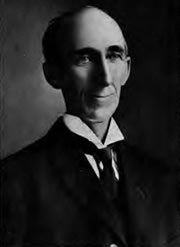
Wallace Wattles

NewThought.net/work
Serving New Thought is pleased to present

Wallace D. Wattles's

The Science of Being Well

Book page numbers, along with the number to the left of the .htm extension match the page numbers of the original books to ensure easy use in citations for research papers and books


Preface - The Principle of Health - The Foundation of Faith - Life and Its Organisms - What to Think - Faith - Use of the Will - Health from God - Summary of the Mental Actions - When to Eat - What to Eat - How to Eat - Hunger and Appetites - In a Nutshell - Breathing - Sleep - Supplementary Instructions - A Summary of the Science of Being Well - Contents -


there is need for more material, and unless there is power to digest it when taken into the stomach. Appetite is a desire for the gratification of sensation. The drunkard has an appetite for liquor, but he cannot have a hunger for it. A normally fed person cannot have a hunger for candy or sweets; the desire for these things is an appetite. You cannot hunger for tea, coffee, spiced foods, or for the various taste-tempting devices of the skilled cook; if you desire these things, it is with appetite, not with hunger. Hunger is nature's call for material to be used in building new cells, and nature never calls for anything which may not be legitimately used for this purpose.

Appetite is often largely a matter of habit; if one eats or drinks at a certain hour, and especially if one takes sweetened or spiced and stimulating foods, the desire comes regularly at the same hour; but this habitual desire for food should never be mistaken for hunger.

page scan

84


PREVIOUS PAGE - NEXT PAGE

Support New Thought Library so that we can continue our work 
of putting all public domain New Thought texts at your fingertips for free!