Divine Library is a free online public library that includes free eBook downloads and free audio books.

We work with New Thought Seekers and Sharers around the world insuring that all New Thought Texts in the Public Domain are available for you to read on the web for free, forever!

"Unlike so many, we do not peddle the word of God for profit."
~ 2 Corinthians 2:17

Navigate through this book by clicking Next Page or Previous Page below the text of the page & jump directly to chapters using the chapter numbers above the text.

New Thought Library brings New Thought to your fingertips for free, forever

NewThought.net/work
Serving New Thought is pleased to present

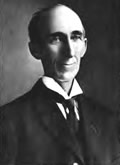
Wallace Delois Wattles's

The Science of Being Great

Book page numbers, along with the number to the left of the .htm extension match the page numbers of the original books to ensure easy use in citations for research papers and books


Any Person May Become Great - Heredity & Opportunity - The Source of Power - The Mind of God - Preparation - Social Point of View - Individual Point of View - Consecration - Identification - Idealization - Realization - Hurry & Habit - Thought - Action at Home - Action Abroad - Some Further Explanations - More About Thought - Jesus' Idea of Greatness - A View of Evolution - Serving God - A Mental Exercise - Summary of the Science of Being Great - About The Author - Contents -


The finer instincts which respond to the cry of trouble or distress are not by any means all of you; they are riot necessarily the best part of you. There are other things you must do besides helping the unfortunate, although it is true that a large part of the life and activities of every great person must be given to helping other people. As you begin to advance they will come to you. Do not turn them away. But do not make the fatal error of supposing that the lift of complete self abnegation is the way of greatness.

To make another point here, let me refer to the fact that Swedenborg's classification of fundamental motives is exactly the same as that of Jesus. He divides all men into two groups: those who live in pure love, and those who live in what he calls the love of ruling for the love of self. It will be seen that this is exactly the same as the lust for place and power of the Pharisees. Swedenborg saw this selfish love of power as the cause of all sin. It was the only evil desire of the human heart, from which all other evil desires sprang. Over against this he places pure love. He does not say love of God or love of man, but merely love. Nearly all religionists make more of love and service to God

page scan

101


PREVIOUS PAGE - NEXT PAGE

Support New Thought Library so that we can continue our work 
of putting all public domain New Thought texts at your fingertips for free!